use social proof in an executive roundtable invitation
Using social proof in an executive roundtable invitation is a powerful strategy to build credibility, increase engagement, and encourage attendance. Executives are more likely to accept an invitation when they see that other respected professionals and industry leaders have participated in or endorsed the event. Social proof reassures potential attendees that the roundtable is valuable, well-organized, and attended by influential peers.
One of the most effective ways to incorporate social proof in an executive roundtable invitation is by highlighting past attendees. Mentioning prominent executives, industry leaders, or well-known companies that have been part of previous roundtables adds credibility. Without disclosing sensitive details, the invitation can reference past participation with phrases like, “Join a distinguished group of executives from top organizations such as [Company A] and [Company B].” This creates a sense of exclusivity and encourages invitees to see themselves among an elite group.
Another way to use social proof is through testimonials or quotes from past attendees. If executives who have attended previous roundtables found the experience valuable, their feedback can be included in the invitation. A short quote from a respected industry leader about the insights gained, networking opportunities, or overall quality of the event can be persuasive. Testimonials create trust and help potential attendees visualize the benefits of participating.
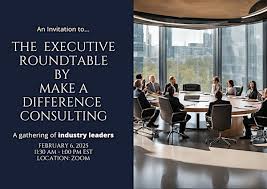
How can you use social proof in an executive roundtable invitation?
Endorsements from industry organizations or well-known figures also serve as powerful social proof in an executive roundtable invitation. If the event is sponsored or supported by a reputable business group, trade association, or influential individual, their logo or a brief mention in the invitation can boost credibility. Executives are more likely to take the invitation seriously when they see trusted organizations involved in the event.
Showcasing media coverage or past success stories further strengthens social proof. If previous roundtables have been featured in industry publications, blogs, or news articles, mentioning these in the invitation can add an extra layer of credibility. Phrases like “As featured in [Industry Magazine]” or “Covered by [Business News Outlet]” signal that the roundtable has a strong reputation and is worth attending.
Another way to incorporate social proof is by leveraging numbers. If the event has been held multiple times with strong participation, highlighting statistics such as “Over 90% of past attendees rated the roundtable as highly valuable” or “Join the 100+ executives who have participated in our exclusive discussions” can create a sense of momentum and reliability. Numbers provide tangible evidence of the event’s impact.
Finally, featuring a guest list preview or confirmed speaker lineup can enhance the social proof in an executive roundtable invitation. If high-profile executives or thought leaders are confirmed to attend, mentioning them subtly can generate interest. Even stating that “a curated group of industry leaders” will be in attendance adds an element of exclusivity.
By strategically using social proof, an executive roundtable invitation becomes more compelling and credible. Executives are more likely to attend when they see that respected peers value the event, and incorporating testimonials, endorsements, past successes, and participation statistics can significantly boost interest and engagement.