high performance systems handle impact loads on floors
High performance systems play a critical role in environments where floors are subjected to heavy impact loads. Whether in warehouses, manufacturing facilities, or distribution centers, floors must endure constant stress from dropped equipment, heavy machinery, and frequent vehicular traffic. Can high performance systems handle impact loads on floors? The answer lies in the engineering and materials used in these systems. Unlike standard flooring solutions, high performance systems are specifically designed to distribute loads evenly and absorb shocks, reducing the risk of cracks, deformation, or long-term damage.
The structural integrity of high performance systems ensures that floors remain safe and functional even under extreme conditions. These systems often use reinforced concrete, specialized polymers, or composite materials that provide both strength and flexibility. By integrating advanced reinforcement techniques, high performance systems can resist concentrated forces without compromising the surrounding floor area. This capability is essential in industrial settings, where impact loads are frequent and unpredictable. Facilities that implement these systems experience fewer maintenance issues, longer service life, and improved safety for workers and equipment.
Another key factor is the precision engineering behind high performance systems. When assessing whether high performance systems can handle impact loads on floors, it is important to consider the design process. These systems are analyzed using sophisticated modeling and simulation tools that predict how the floor will respond to different types of stress. Engineers can identify potential weak points and reinforce them before installation, ensuring that the system performs reliably under real-world conditions. This proactive approach minimizes the likelihood of structural failures and helps maintain a consistent level of operational efficiency.
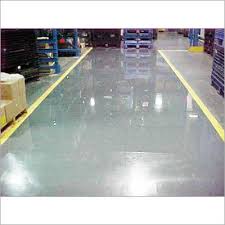
Can high performance systems handle impact loads on floors?
High performance systems also excel in their ability to manage dynamic loads. Unlike static loads, impact forces create sudden stress that can compromise floor integrity if not properly absorbed. The materials and design of these systems allow for controlled energy dispersion, reducing the impact on both the floor and the equipment operating on it. Facilities that rely on forklifts, pallet jacks, or other heavy machinery benefit from floors that can endure repetitive impacts without showing signs of wear. This durability ensures a safer working environment and reduces the costs associated with frequent repairs or replacements.
Additionally, maintenance and longevity are key advantages of high performance systems. Floors subjected to impact loads typically require more frequent inspections and repairs, but the resilient design of these systems reduces this need. Even when minor surface damage occurs, the underlying structure remains intact, allowing for simpler and less costly maintenance interventions. This long-term reliability is a significant reason why industries invest in high performance systems despite their higher initial cost. The combination of strength, shock absorption, and durability ensures that these systems offer exceptional value over time.
In conclusion, high performance systems are indeed capable of handling impact loads on floors. Their advanced materials, reinforced construction, dynamic load management, and precise engineering all contribute to superior performance under heavy stress. Facilities that adopt these systems benefit from safer, more durable, and cost-effective flooring solutions. By investing in high performance systems, industries can maintain operational efficiency, reduce maintenance costs, and protect both workers and equipment from the risks associated with heavy impact loads.